

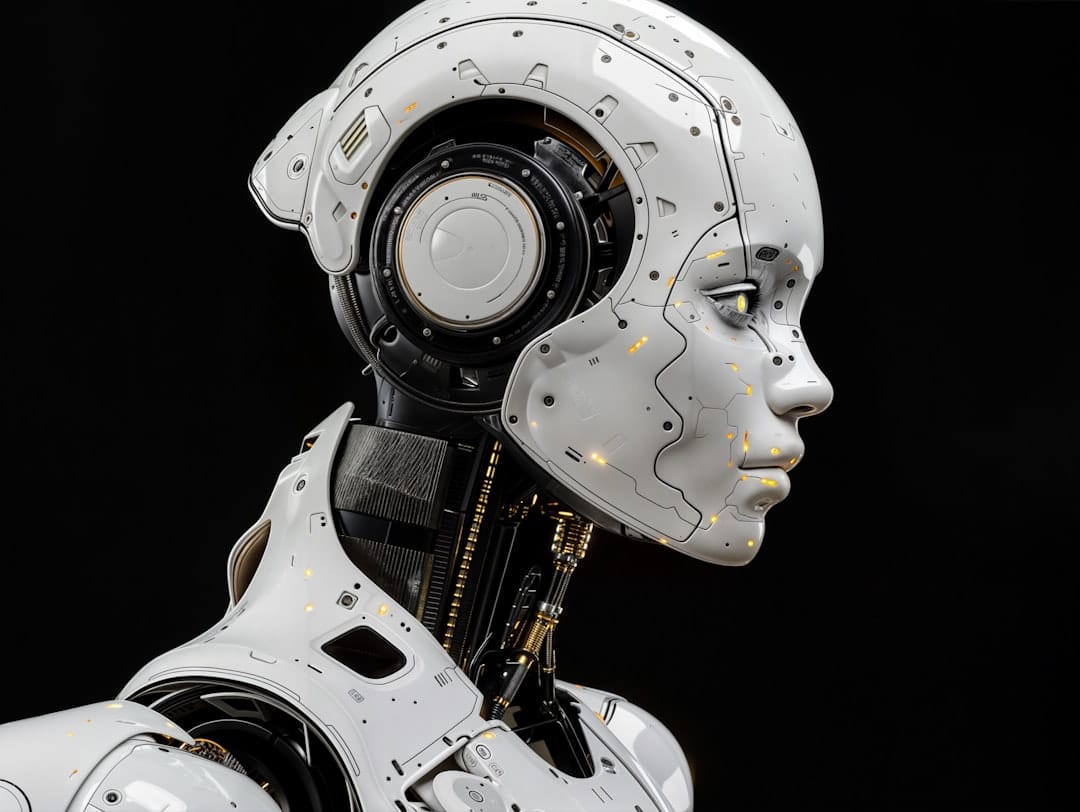
AI Dislocation Drives Growth and Profitability in 2026
In 2026, the landscape of artificial intelligence (AI) continues to evolve rapidly, with accelerating growth and increased investment in AI driving a significant market shift. This phenomenon, known as AI dislocation, has the potential to reshape the global economy and create new opportunities for businesses and investors alike. As the world becomes increasingly dependent on AI-driven solutions, companies that adapt to this changing landscape are likely to reap significant rewards.
What Is Happening
The AI dislocation refers to the process by which traditional industries and businesses are disrupted by the rapid adoption of AI technologies. This disruption is driven by the increasing availability of powerful computing resources, such as graphics processing units (GPUs), and the development of sophisticated AI models, including large language models (LLMs). As a result, companies that fail to adapt to these changes risk being left behind, while those that invest in AI are poised to capture significant market share and revenue growth.
Key Technical or Market Details
According to industry experts, the AI dislocation is being driven by a combination of factors, including the increasing availability of data and the development of more advanced AI algorithms. This has led to a surge in investment in AI startups and established companies alike, with many major players in the tech industry pouring significant resources into AI research and development. As a result, the market for AI-related technologies and services is expected to continue growing rapidly in the coming years, creating new opportunities for businesses and investors.
Industry and Business Implications
The AI dislocation is having a significant impact on companies across a range of industries, from finance and healthcare to transportation and education. While some businesses are struggling to adapt to the changing landscape, others are seizing the opportunity to disrupt traditional markets and create new revenue streams. For example, companies like Louis Navellier’s Navellier & Associates are positioning themselves to take advantage of the AI dislocation by investing in AI-related technologies and developing strategies to capitalize on the resulting market opportunities.
“AI is no longer just a technology trend – it’s a fundamental driver of growth and profitability,” said Louis Navellier, founder and chief investment officer of Navellier & Associates. “Companies that fail to adapt to this changing landscape risk being left behind, while those that invest in AI are poised to capture significant market share and revenue growth.”
What Comes Next for Artificial Intelligence
As the AI dislocation continues to shape the global economy, businesses and investors will need to adapt quickly to remain competitive. This will require a deep understanding of the underlying technologies and market trends, as well as a willingness to invest in AI-related research and development. By positioning themselves to take advantage of the AI dislocation, companies can create new revenue streams, drive growth and profitability, and stay ahead of the curve in a rapidly changing world. As we look to the future, one question remains: what will be the next major disruption in the AI landscape, and how will businesses and investors respond?
Tools We Use for Working with AI in 2026
We are participants in the Amazon Associates program. These are genuine recommendations we use or experts recommend.
We earn a small commission on qualifying purchases at no extra cost to you. Thank you for supporting aiuniverse.news!
Hands-On Machine Learning 3rd Ed.
Essential book for practical AI development
MSI Raider 18 HX AI Gaming Laptop (RTX 5080)
High mobile performance for AI inference
ASUS ROG Strix G18 AI Gaming Laptop (RTX 5080)
Powerful for local training of large models
NVIDIA GeForce RTX 4070 Ti
Tarjeta gráfica de alta gama para gaming y aplicaciones de AI.
What’s your favorite AI hardware setup in 2026? Let us know in the comments!
Tools We Use for Working with AI: