

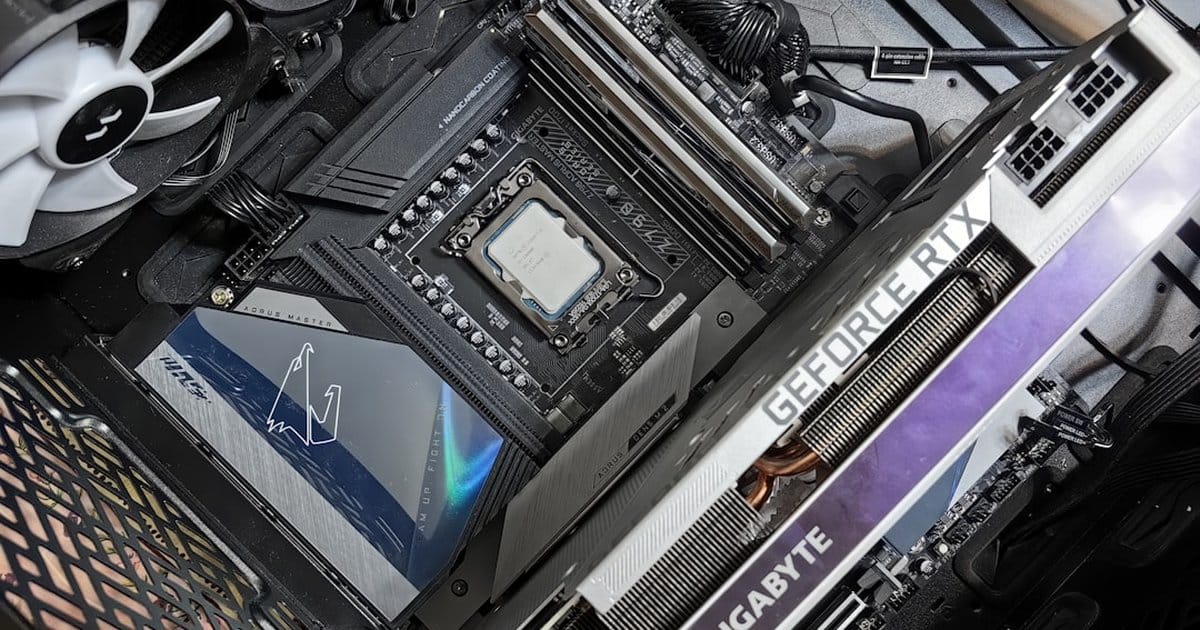
Nvidia Unveils DLSS 4.5 and Exclusive Dynamic MFG for RTX 5000 GPUs
Nvidia has announced the upcoming release of DLSS 4.5, a significant upgrade for its AI-powered graphics technology, with a special focus on its new Dynamic Multi-Frame Generation (MFG) feature. At CES 2026, Team Green revealed that DLSS 4.5 will be available to all RTX GPU owners. However, the advanced Dynamic MFG functionality, designed to automatically adjust generated frames for optimal performance, is slated for a March 31 launch and will be exclusive to the upcoming RTX 5000 GPUs.
This new Dynamic MFG feature dynamically modifies the number of artificially generated frames to meet a gamer’s target frame rate, adapting based on graphics settings and GPU workload. While RTX 5000 GPUs will also gain the option for DLSS 4.5 MFG in a 6x mode, owners of RTX 4000 GPUs will see improvements to the base Frame Generation model. Crucially, older generations like RTX 3000 and earlier will not receive these Frame Generation enhancements.
Intel’s XeSS 3 Offers Broader Frame Generation Accessibility
In contrast to Nvidia’s tiered approach, Intel has made its XeSS 3 Frame Generation and Multi Frame Generation technology accessible to all Arc-based GPUs, including those found in handheld devices like the MSI Claw and various desktop configurations. This wider availability means that a larger user base benefits from the advancements in frame generation technology.
Intel has also simplified the integration process for developers by releasing an SDK for XeSS 3 MFG, enabling easier implementation in games. This move positions Intel’s Arc GPUs as a more flexible option for gamers seeking frame generation benefits, especially when compared to Nvidia’s exclusion of older RTX generations from its latest Frame Generation features. The pricing of Intel’s Arc GPUs also presents a competitive alternative, often offering higher VRAM capacities at comparable price points to Nvidia’s mid-range offerings like the RTX 4060 Ti or the anticipated RTX 5060.
Future Outlook and Competitive Landscape
The exclusivity of Nvidia’s Dynamic MFG to RTX 5000 graphics cards creates a significant advantage for Intel’s XeSS 3 in terms of accessibility for existing and a wider range of users. While Nvidia is expected to eventually bring DLSS Frame Generation to older RTX GPUs, the current landscape favors Intel’s broader support for its Arc GPUs. The pricing of higher-end RTX 5000 models, such as the RTX 5070 and above, is also becoming a point of concern, with prices exceeding original MSRPs.
Ultimately, the flexibility and wider adoption of XeSS 3 MFG currently offer a more compelling proposition for Arc GPU owners. While the ultimate image quality, latency, and performance of XeSS 3 against DLSS remain a subject of debate, Team Blue’s accessibility strategy for its Frame Generation technology stands out. The release of the XeSS 3 SDK further solidifies Intel’s commitment to empowering developers and gamers alike, creating a strong competitive edge in the current market, particularly as high-profile hardware events like CES 2026 and GDC 2026 approach.
✨ Intelligent Curation Note
This article was processed by AI Universe’s Intelligent Curation system. We’ve decoded complex technical jargon and distilled dense data into this high-impact briefing.
Estimated time saved: ~2 minutes of reading.
Tools We Use for Working with AI: