

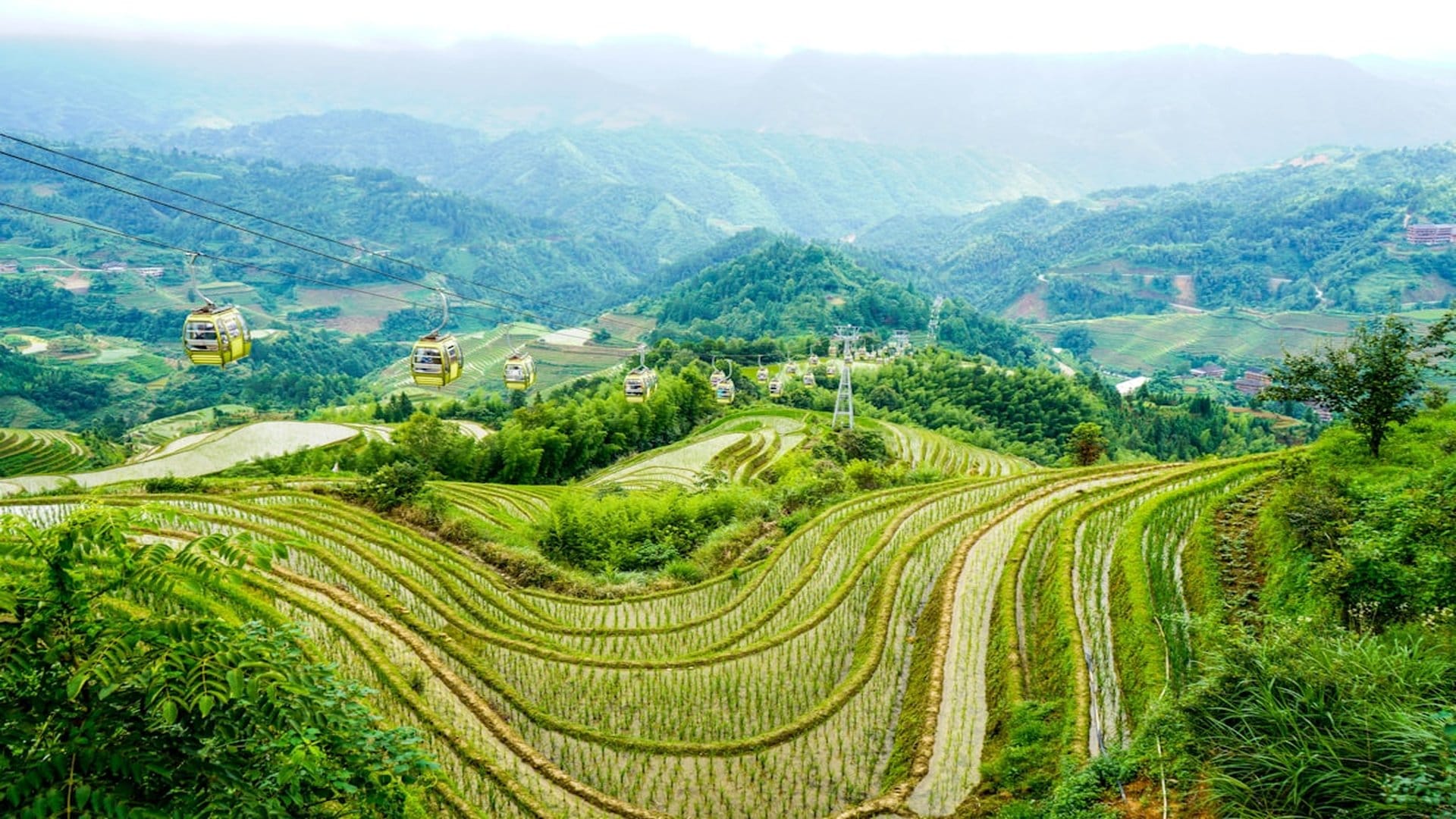
Global agribusinesses deepen roots in China’s rural revitalization drive
BEIJING | Xinhua | As China continues its push for comprehensive rural revitalization and bolstered food security in 2026, multinational agribusinesses are finding new impetus to deepen their engagement across the nation’s extensive agricultural value chain.
Why This Matters in 2026
The Chinese government’s rural revitalization drive has been underway for several years, with a focus on improving rural living standards, promoting agricultural development, and ensuring national food security. In 2026, the push for rural revitalization has gained momentum, with the government releasing its annual “No. 1 central document,” a policy blueprint outlining key priorities for the year ahead. The document emphasizes the importance of rural development, sustainable agriculture, and the need to strengthen the agricultural sector to ensure food security and drive economic growth.
Artificial intelligence (AI) is also playing a significant role in China’s rural revitalization drive, with the government investing heavily in AI-powered agricultural technologies, such as precision farming, crop monitoring, and livestock management. AI is being used to improve agricultural efficiency, reduce waste, and enhance the overall sustainability of the agricultural sector.
What Is China’s Rural Revitalization Drive?
China’s rural revitalization drive is a comprehensive effort to improve the living standards of rural residents, promote agricultural development, and ensure national food security. The drive involves a range of initiatives, including investments in rural infrastructure, education, healthcare, and social services. The government is also providing support to rural businesses, including agricultural enterprises, to help them expand and improve their operations.
The drive is being led by the Chinese government, with input from local governments, agricultural experts, and rural residents. The government has set ambitious targets for rural development, including increasing rural income, improving rural infrastructure, and promoting sustainable agriculture.
Key Details
Global agribusinesses are finding new opportunities in China’s rural revitalization drive, with multinational companies such as Cargill, Archer Daniels Midland, and Louis Dreyfus investing heavily in the country’s agricultural sector. These companies are involved in a range of activities, including livestock breeding, feed supplies, product processing, and rural services.
The Chinese government has established a number of special economic zones and industrial parks to support the development of the agricultural sector. These zones offer favorable business conditions, including tax breaks, subsidies, and streamlined regulatory processes, to encourage foreign investment and promote economic growth.
Chinese companies are also playing a key role in the rural revitalization drive, with many investing in agricultural technologies, such as precision farming and crop monitoring. Chinese companies are also involved in rural services, including rural healthcare, education, and social services.
Implications and Future
The deepening engagement of global agribusinesses in China’s rural revitalization drive has significant implications for the country’s agricultural sector and the broader economy. The investments being made by multinational companies are expected to improve the efficiency and sustainability of the agricultural sector, enhance food security, and drive economic growth.
However, the rural revitalization drive also raises concerns about the impact of large-scale agricultural development on rural communities and the environment. As the drive gains momentum, it is essential that the Chinese government and multinational companies work together to ensure that the benefits of rural development are shared equitably and that the environmental and social costs are minimized.
As China continues to push forward with its rural revitalization drive, it will be interesting to see how the government and multinational companies balance the need for economic growth with the need to protect rural communities and the environment.
Tools We Use for Working with AI: