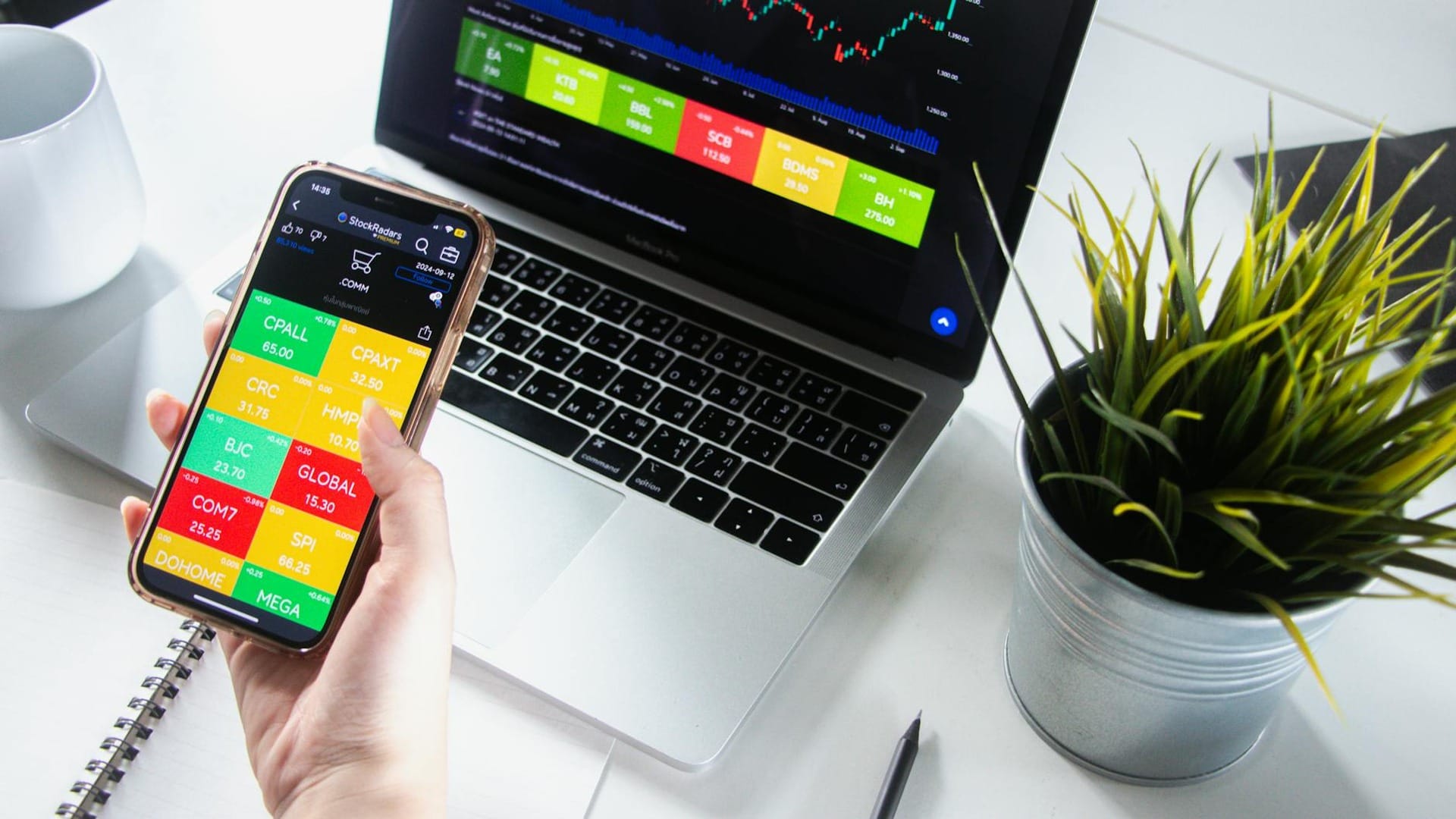
Market Volatility Hits European Stocks Amid Trade Uncertainty and AI-Driven Fears
The European stock market experienced a downturn on Tuesday, with investors exercising caution due to ongoing trade uncertainty and concerns surrounding the potential impact of artificial intelligence on various sectors. This development comes as the global economy navigates a complex landscape of shifting trade policies and technological advancements.
Trade Uncertainty Continues to Weigh on Markets
Trade tensions between major economies remain a significant concern for investors, with the ongoing dispute between the United States and China contributing to market volatility. The uncertainty surrounding trade policies and agreements has led investors to adopt a cautious approach, avoiding large bets that could exacerbate potential losses. This sentiment was reflected in the decline of European stocks, as investors sought to mitigate risks in an environment characterized by increasing uncertainty.
AI-Driven Disruption Fears Resurface on Wall Street
The recent selloff on Wall Street, driven in part by concerns over artificial intelligence, has also had a ripple effect on European markets. The resurgence of AI-related fears has led investors to reevaluate their portfolios, with a focus on sectors potentially most vulnerable to disruption. This includes banks, which saw significant declines in share value as investors reassessed their exposure to emerging technologies. The impact of AI on traditional industries is a pressing concern, with many investors seeking to position themselves for a future where technological advancements continue to transform the business landscape.
Practical Implications for Investors and Businesses
The current market environment highlights the need for investors and businesses to adapt to a rapidly changing economic landscape. As AI-driven disruption continues to shape the future of various industries, it is essential for companies to prioritize innovation and diversification. By doing so, they can better position themselves to navigate the challenges and opportunities presented by emerging technologies. For investors, this means being prepared to adjust their portfolios in response to shifting market conditions and technological advancements.
Looking Ahead: Navigating a Complex Economic Future
As the global economy continues to evolve, it is clear that the intersection of trade uncertainty and AI-driven disruption will remain a pressing concern for investors and businesses. The ability to navigate this complex landscape will be crucial for success in the years ahead. As we move forward, it will be essential to strike a balance between caution and adaptability, leveraging emerging technologies while mitigating potential risks. Ultimately, the question remains: how will businesses and investors respond to the challenges and opportunities presented by the confluence of trade uncertainty and AI-driven disruption?
Based on reporting by Reuters — independently rewritten by AI Universe News.
Tools We Use for Working with AI: