

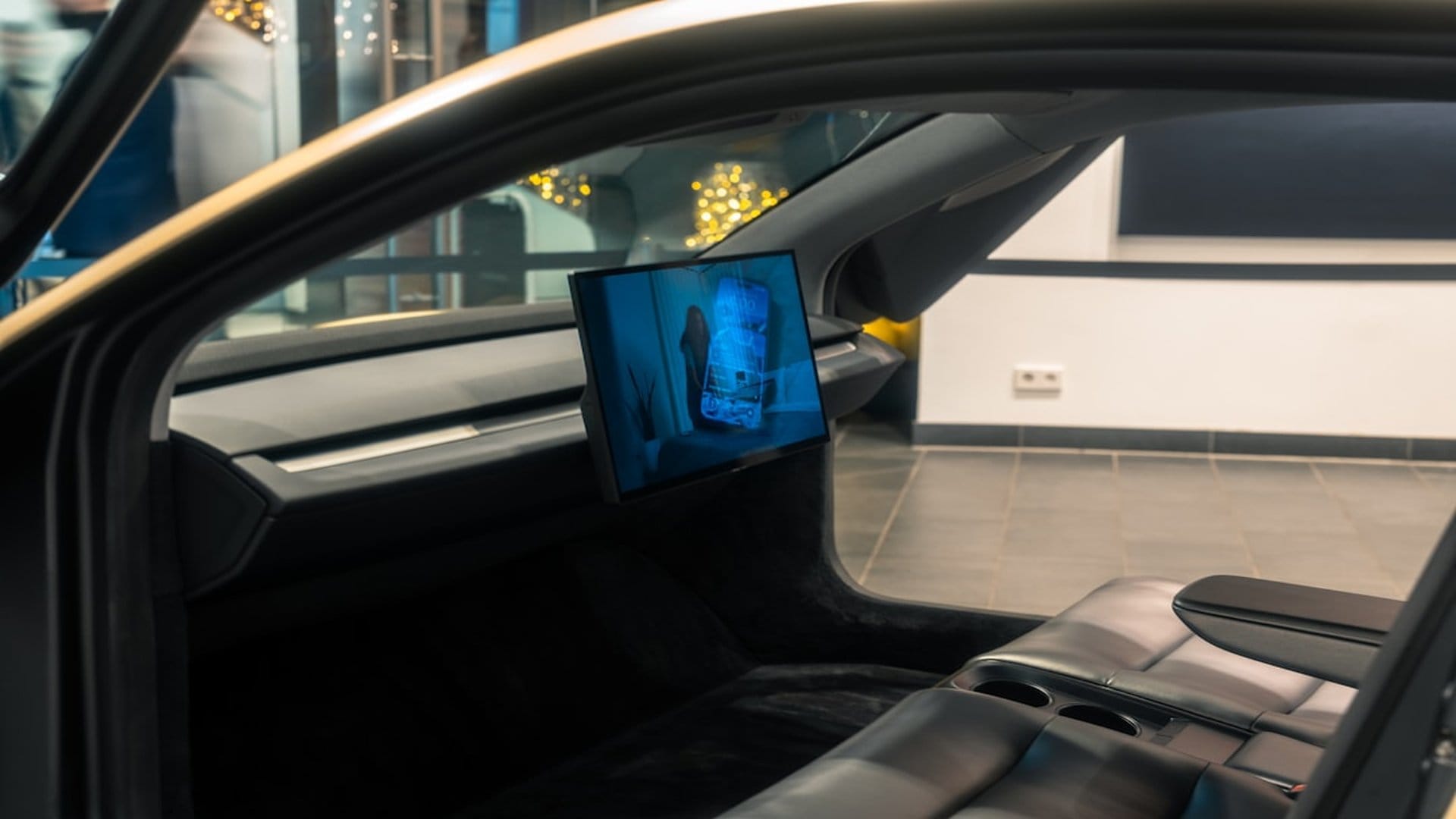
Connected Cars in the Crosshairs: 2026’s AI-Powered Conundrums
In the realm of automotive technology, the integration of artificial intelligence (AI) has been hailed as a game-changer. However, as we navigate the uncharted territories of 2026, concerns are rising about the consequences of linking our vehicles to the digital world.
The Rise of AI-Powered Infotainment Systems
With the proliferation of AI-driven infotainment systems, car manufacturers are increasingly relying on machine learning algorithms to enhance the driving experience. These systems learn from user behavior, adjusting settings to create a more personalized atmosphere within the vehicle. But as we delve deeper into the intricacies of AI-powered infotainment, questions arise about data privacy and security.
The Dark Side of Connected Cars
Experts warn that the seamless integration of AI and the internet of things (IoT) in connected cars could lead to a surge in cybersecurity threats. As our vehicles become increasingly reliant on cloud-based services, the risk of data breaches and hacking grows exponentially. This could not only compromise sensitive information but also pose a significant threat to road safety.
Repercussions of a Connected Car Hack
Imagine a scenario where a malicious actor gains control of a connected car’s AI system. They could potentially manipulate critical systems, compromising the safety of the vehicle and its occupants. This prospect sends shivers down the spines of car manufacturers, who are now grappling with the reality of an AI-powered nightmare.
Why 2026 is a Pivotal Year for Connected Cars
As we enter 2026, the connected car landscape is on the cusp of a significant transformation. With the increasing adoption of AI and IoT technologies, the stakes are higher than ever. Car manufacturers must navigate the treacherous waters of data security, while consumers demand seamless, intuitive experiences. The tension between these two opposing forces will shape the future of the connected car industry.
A Shift in Consumer Behavior
Consumers are becoming increasingly discerning when it comes to data privacy and security. As awareness about the potential risks of connected cars grows, consumers are likely to reassess their priorities. Some may opt for more basic, less connected vehicles, while others will seek out manufacturers that prioritize data security and transparency. This shift in consumer behavior will have far-reaching implications for the automotive industry as a whole.
The Road Ahead: A Balance Between Innovation and Safety
As we hurtle towards a future where AI and IoT dominate the connected car landscape, the stakes are high. Manufacturers must find a delicate balance between innovation and safety. By prioritizing data security, transparency, and consumer trust, the industry can mitigate the risks associated with connected cars and create a safer, more enjoyable driving experience.
What’s Next for Connected Cars?
The future of connected cars is uncertain, and the path forward is fraught with challenges. However, one thing is clear: the integration of AI and IoT will continue to shape the automotive industry in profound ways. As we move forward, we must prioritize data security, consumer trust, and safety above all else. The question remains: will we find a way to harness the power of AI and IoT to create a better, safer driving experience, or will the risks associated with connected cars outweigh the benefits?
Tools We Use for Working with AI in 2026
We are participants in the Amazon Associates program. These are genuine recommendations we use or experts recommend.
We earn a small commission on qualifying purchases at no extra cost to you. Thank you for supporting aiuniverse.news!
VASTAI: marketplace for affordable GPU cloud computing
Vast.ai is a cloud computing, matchmaking, and aggregation service focused on lowering the price of compute-intensive workloads.
RUNPOD Cloud AI Infrastructure, Agents, Hubs, Pods, Clusters…
RunPod aims to create the foundational platform for developers to build and run custom AI systems that scale.
T522 522 Ink Refill Bottles Compatible for Ecotank
for Ecotank ET-2760 ET-4760 ET-2750 ET-2720 ET-3760 ET-2850 ET-15000 ET-2800 ET-4700 ST-4000 ST-2000 ET-3710 ET4810 ET-3850
ASUS ROG Strix G18 AI Gaming Laptop (RTX 5080)
Powerful for local training of large models
What’s your favorite AI hardware setup in 2026? Let us know in the comments!